

Everything felt magical on set. So why does your rough cut feel like a different film?
What big budget productions do before the edit begins that nobody teaches indie filmmakers

You’re on set and things just click. You got all the shots you wanted. The actors felt electric. The energy was palpable. You wrapped the day feeling like something real just happened.
And then you get to post.
The heads and tails aren't as long as you thought. The actor who gave you chills standing six feet away somehow reads flat on a monitor. That scene that felt like pure electricity? It's not landing. And the first time you watch your rough cut back, something in you just... breaks a little.
You start doing the math. How much of this is salvageable? Did you waste everyone’s time and money? Is the whole thing unsalvageable, or are you just too close to it? You don’t even know what to fix first because you don’t fully understand why it feels so wrong.
That quiet, nauseating freefall you’re in right now? That is not failure. You are not alone. That is post-production.
Francis Ford Coppola is known to have said “Your movie is never as good as the dailies and never as bad as the rough cut.” And Martin Scorsese put it even more directly: “If you don’t get physically ill seeing your first assembly or rough cut, something’s wrong.” So if you feel like you want to crawl out of your own skin watching your rough cut, you are in genuinely excellent company.
But here’s the part those quotes don’t cover. There are two versions of this story, one where the sick feeling is temporary, you work through it, and the film that emerges is actually close to the one you imagined. And the second where the gap between what you intended and what exists in the edit never fully closes, not because you’re a bad filmmaker, but because something in the workflow failed you before you ever got to this moment.
I want to talk about the second version. Because that's the one nobody talks about, partly out of embarrassment, partly out of a desire to stay positive and keep morale up. But silence doesn't actually help anyone. It just means we're all sludging through the same hard thing alone, each of us convinced we're the only one who’s going through it.
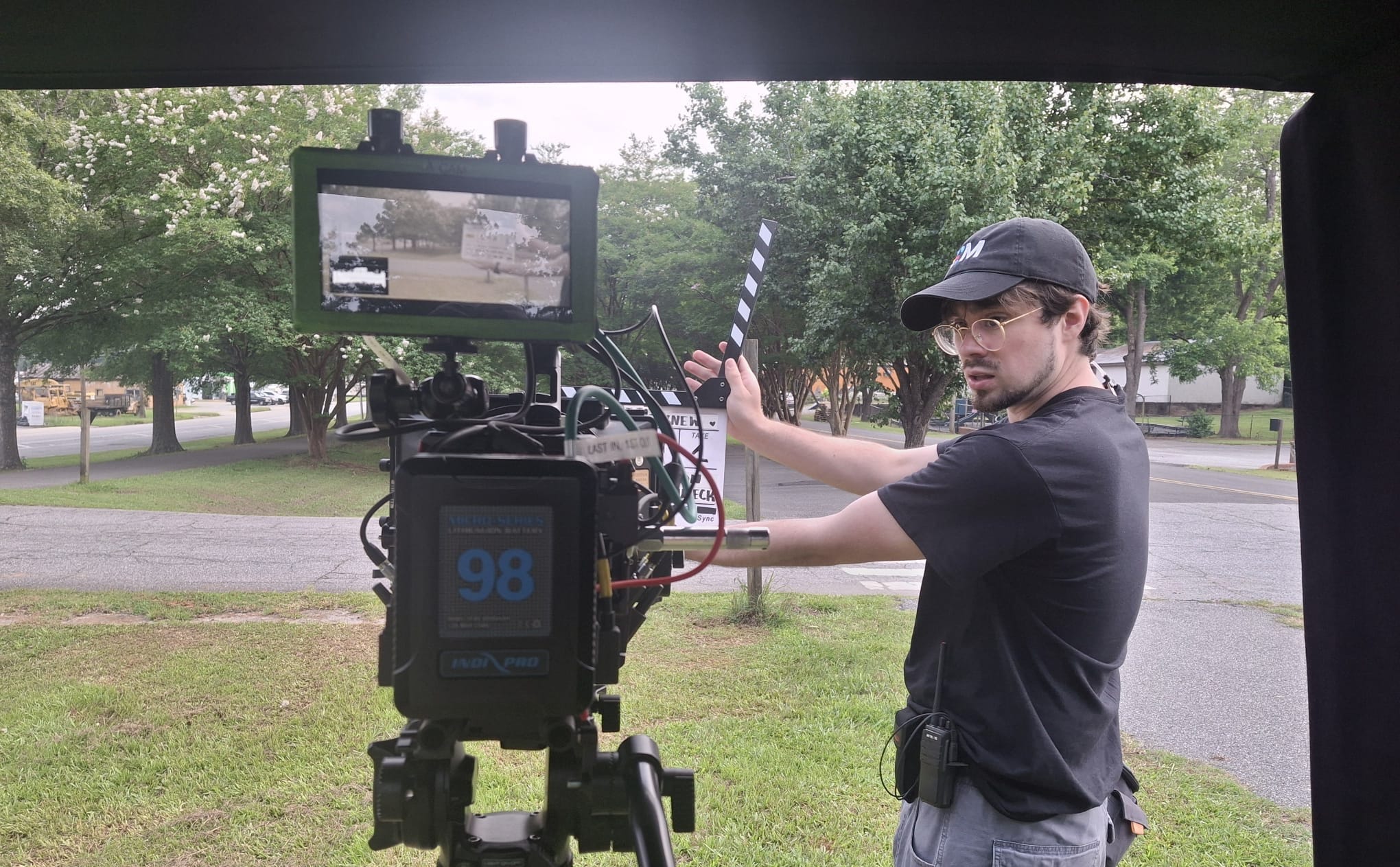
I Know What You’re Thinking
You’re saying to yourself right now “this is just part of the process. You’re supposed to struggle through the bad cuts until everything just clicks.”
And honestly? That’s not entirely wrong. Post is hard. The struggle is real and it’s part of how a film finds itself. But there is a difference between the productive struggle of shaping a story and the kind of struggle that comes from you or your editor making a thousand small guesses about your intention because that information never existed anywhere outside your own head.
One of those is craft. The other is a workflow problem pretending to be a rite of passage.
Here Is The Other Option
Imagine sitting in that same screening room watching your rough cut, and instead of dread, you feel something closer to relief. Not because it's perfect. Rough cuts are never perfect. But because the emotional spine of the film is intact. The scenes that needed to land are landing. The gap between what you imagined and what exists on screen is real, but now you're refining instead of rebuilding. You can use all of that creative energy to move forward instead of having to rework the whole film just to "find the story."
That is what it feels like to walk into post with a plan. Your editor has made discoveries in your footage you never would have anticipated, brought instincts and artistry you couldn’t have predicted, and they did all of that while still working in service of the story you actually set out to tell (which is also my plug for why you should NOT edit your own films but I’ll write on that some other time.)
That is not a fantasy version of the process. That is what the process looks like when the right information exists before the edit begins.
Here is what nobody tells you in film school, or in most filmmaking communities, for that matter.
Here’s the thing about Coppola and Scorsese. Both of those men get to work inside productions with serious infrastructure around them - post supervisors, script supervisors, producers whose entire job was to carry the director’s vision from set through the edit intact. And the rough cut still felt terrible. But it had everything it needed to become something great, because the system around it had done its job.
Indie filmmakers get the sick feeling. They don’t get the system. And nobody tells you that the system was doing more work than you realized. So you end up stumbling around in the dark until you figure it out on your own.
I’m tired of watching that happen. I want to help you get through post to the finish line - so you can stand in front of an audience at a film festival and actually talk about your film.
I'm tired of watching that happen. I want to help you get through post to the finish line - so you can stand in front of an audience at a film festival and actually talk about your film too. Live that dream!
I know what that feels like because I've stood in that room myself. I submitted two films to SXSW in the same year, only one got in (and it wasn’t the one with the celebrity attached.) The finish line is real. And I want to help as many of you get there as possible. That is genuinely the whole reason I'm here writing to you now.
It’s More Than Just Luck
The filmmakers who navigate post well are not the ones who got lucky. They are not the ones with bigger budgets or better equipment or more experienced crews. They are the ones who made a decision, usually in pre-production, to treat the edit as part of the creative process from the beginning rather than a “we’ll get it to later” problem to deal with after production.
They walk into post with intention. They have done the thinking about each scene not just in terms of what happens, but in terms of what that scene must do from an editorial perspective. They have written it down, handed it to their editor, and created a shared language for the work, before it even begins.
Are you that filmmaker? Or are you the one who figures it out “later” after the wrap party and hopes the post process will just make sense of it all?
Both are ways that post gets navigated every day. But only one of them consistently closes the Vision Gap and saves you so much time, money and energy.
I have spent sixteen years working in this industry, as a filmmaker and working alongside filmmakers at every budget level. The productions I have worked on for Netflix, Paramount, and Warner with real infrastructure around them - had whole systems and teams that have been honed through trial and error to carry the filmmaker’s intention through every phase of post.
And yes, I have still seen that system break down. Usually when the filmmaker isn’t able to recognize that these creative systems exist for a reason. But when used right, the single most important thing I have watched these systems do is get the director’s intention out of their head and into writing before the edit begins to eliminate the guesswork and prevent spinning wheels.
I have worked with indie filmmakers at every budget level too. And the ones who had the smoothest, most successful post experiences were never the ones with the most resources. They were the ones who had done this one thing.
Here is what I watch happen when a filmmaker comes to post without that preparation.
The editor opens the project. They have the footage. They have the script. They have their genuine skill and their best instincts. What they do not have is the inside of your head. They don’t know why you wrote the scene that way. They don’t know what you discovered on set the day you shot it. They don’t know that this particular moment is the North Star of your entire second act, because that information lives in you and you have not written it down anywhere.
So they make a thousand small decisions without it. Which take to use. How long to let the silence breathe. Whether the scene needs to move fast or slow. Whether the emotion should land on the actor’s face or cut away before it arrives. A thousand decisions, each one a reasonable guess, each one compounding on the last, until you have a first cut that is technically competent but emotionally somewhere else.
That is not your editor’s fault. That is a workflow failure. And it is really easily fixable.
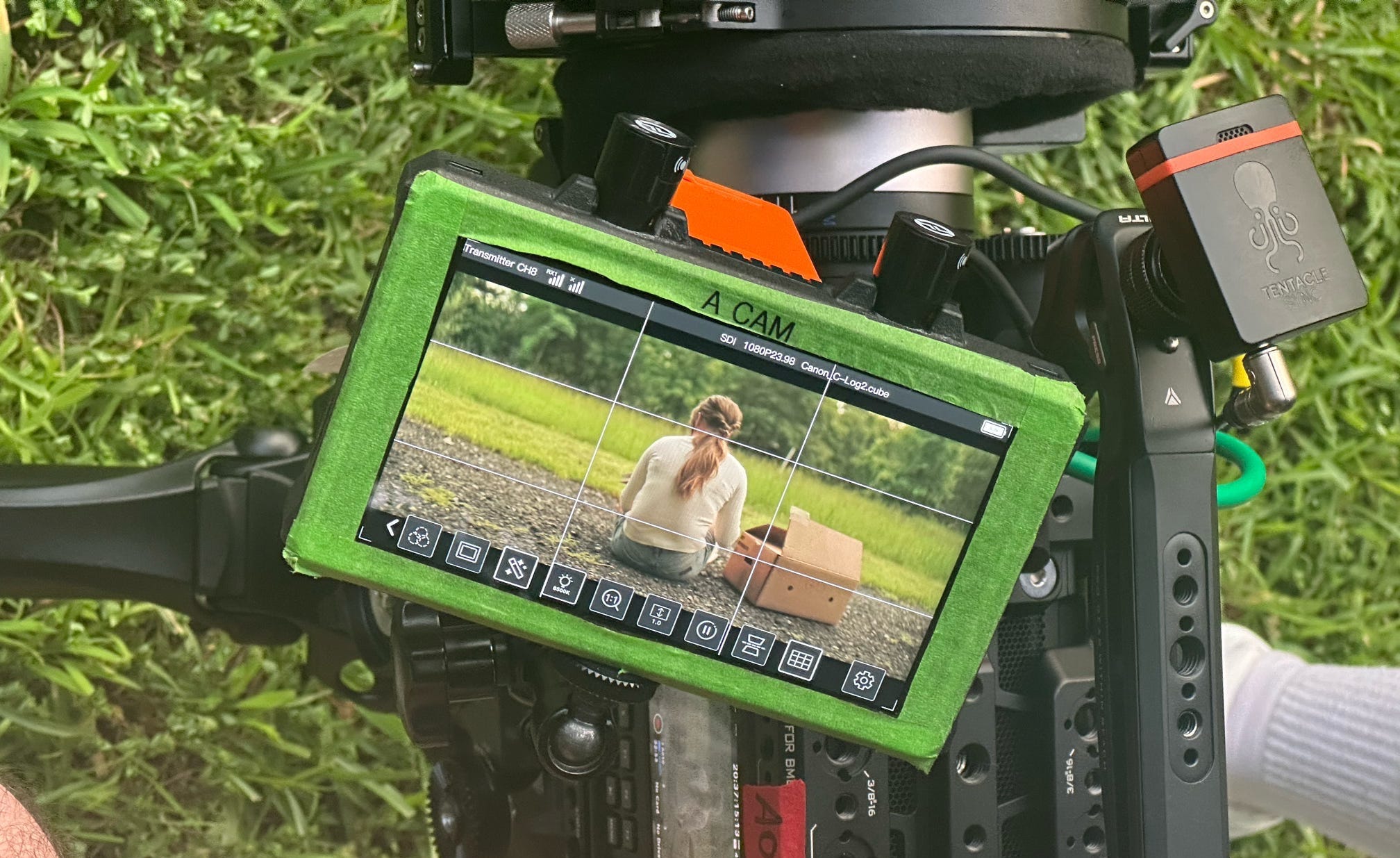
The mistake is not hiring the wrong editor. The mistake is not under-budgeting post or having a bad shoot. Those things matter, but the single most preventable gap in independent filmmaking is this: the director’s intention never gets transferred into writing before the edit begins.
What gets handed to the editor is footage and a script. What never gets handed over is the why. And the why is the only thing that cannot be reconstructed from the footage after the fact.
So here is what I ask every filmmaker I work with to do before we touch a single frame.
Create a written editorial brief. Not a long document, nothing that requires weeks of your time, but a scene-by-scene record of your intention.
For each scene, write down…
The North Star of the scene - Not what happens in it, but what it is supposed to do. What the audience needs to feel when it ends.
What the audience should feel watching this scene from beginning to end
Which story function this scene is serving (set-up, escalation, turning point, release, revelation, or just breath)
The scenes it must connect to emotionally on both sides or down the line if it’s setting an important story line up
Any performance moments that are non-negotiable - the takes, the seconds of silence, the glances you loved on set
Pacing intention - where the scene needs to breathe and where it needs to move faster
What you are willing to cut if the scene needs to be shortened, and what cannot go
The full Editorial Creative Brief Document template - can be downloaded below. I’m also happy to give you a word doc version of it if you DM or comment below. This is the document I wish every filmmaker I have ever worked with had come to post with.
The film you imagined can be pulled out still.
The rough cut is not the verdict. It is the beginning of the conversation between what you intended and what you actually captured, and a good editor working from a clear brief can close that gap in ways that will genuinely surprise you.
I’ve put together the full Editorial Creative Brief template I use with every filmmaker I work with. Comment “BRIEF” below and I’ll send it to you. It’s what I wish every filmmaker I have ever worked with had come to post with.
And if you are deep in post right now feeling like it’s all falling apart, subscribe and stay close. More of this is coming. You should not have to feel like you’re navigating this alone.
Until next time,
Shawna
P.S. I am finally getting into the edit of Before We Knew, the film I produced last summer, and I cannot wait to bring you into that process. This one has been a journey in every sense of the word.
Excellent insight here - I wish I had this info when I started out
another banger!